
Projects and Collaborations
Unlocking the microscopic life of kelp:
Molecular monitoring reveals gametophyte-driven processes that shape kelp habitat persistence and recovery
My National Geographic Explorer research endeavour:
Link to my Explorer bio: Nat Geo Explorer Directory
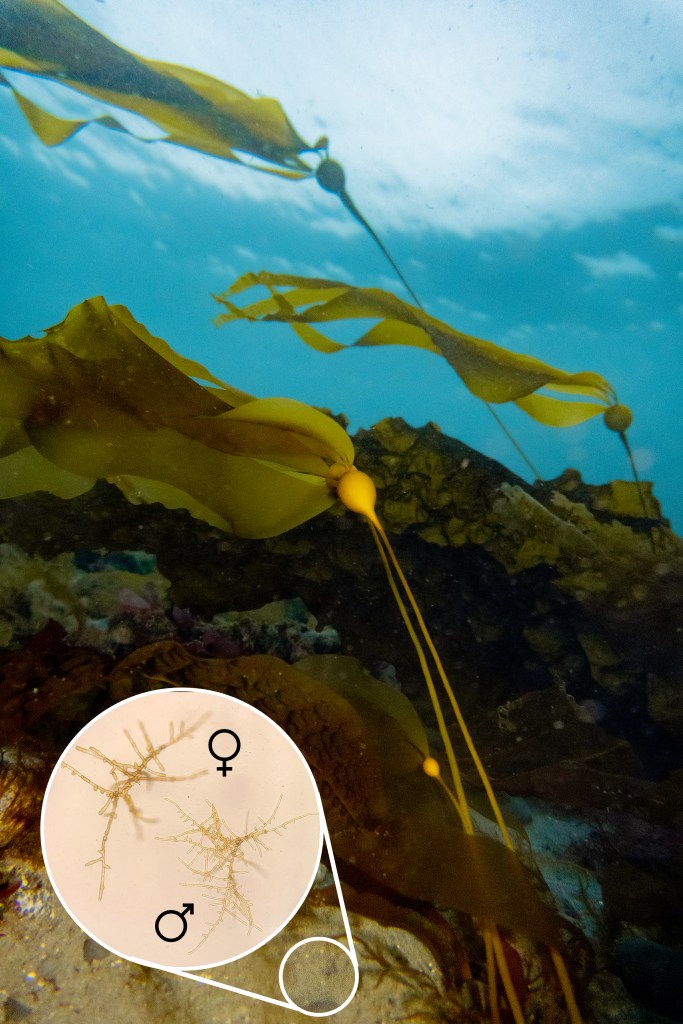
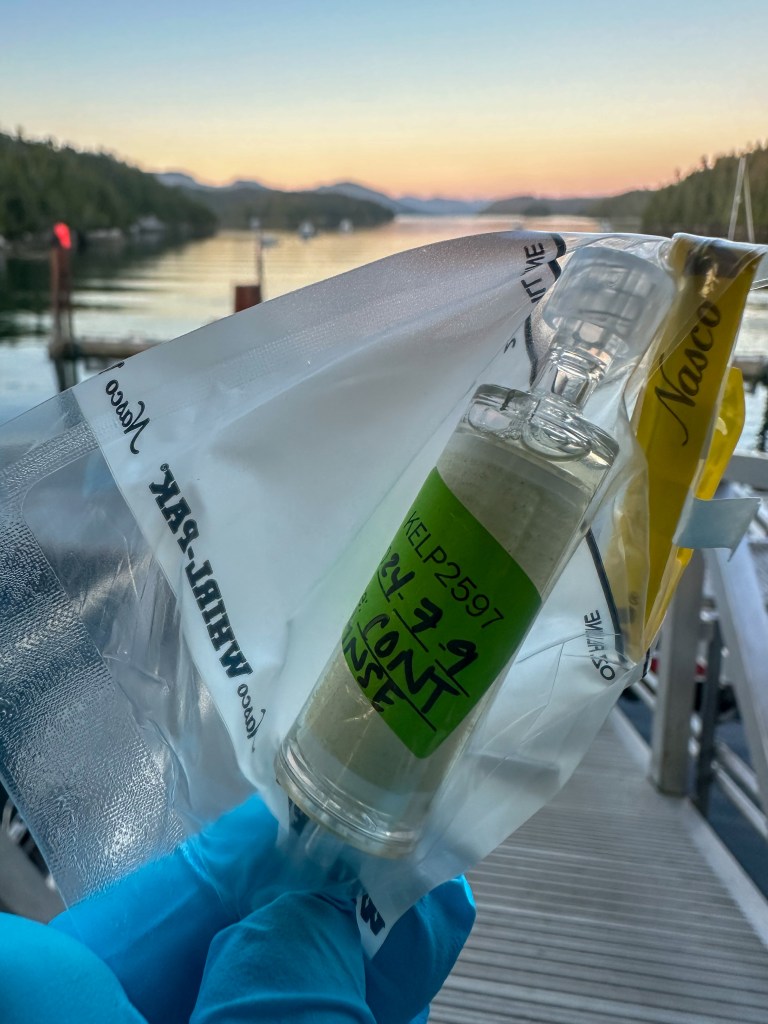
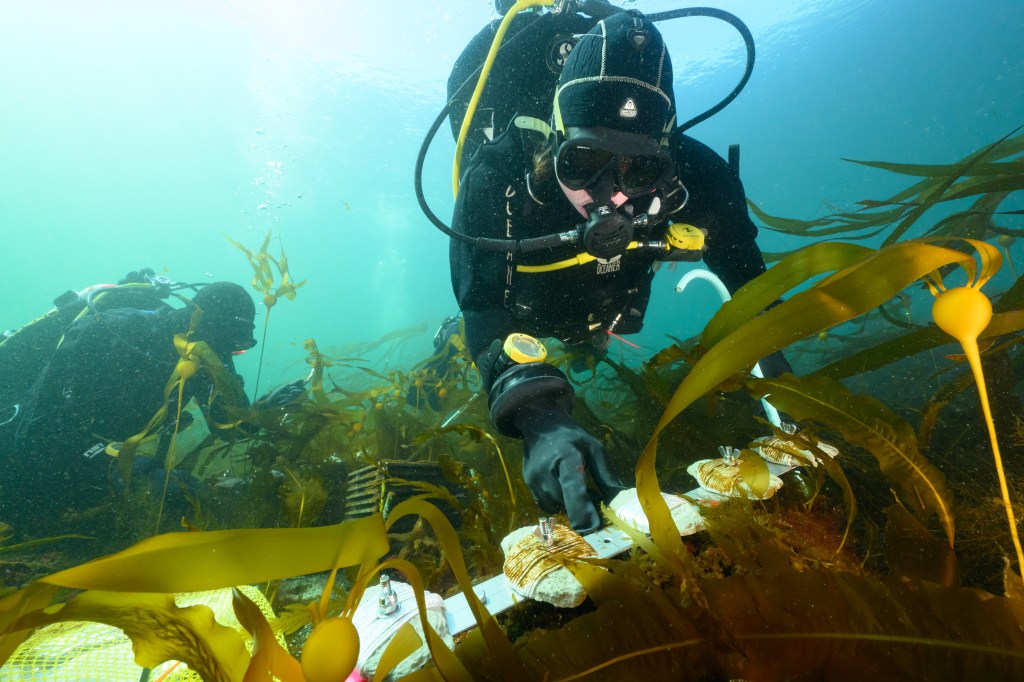
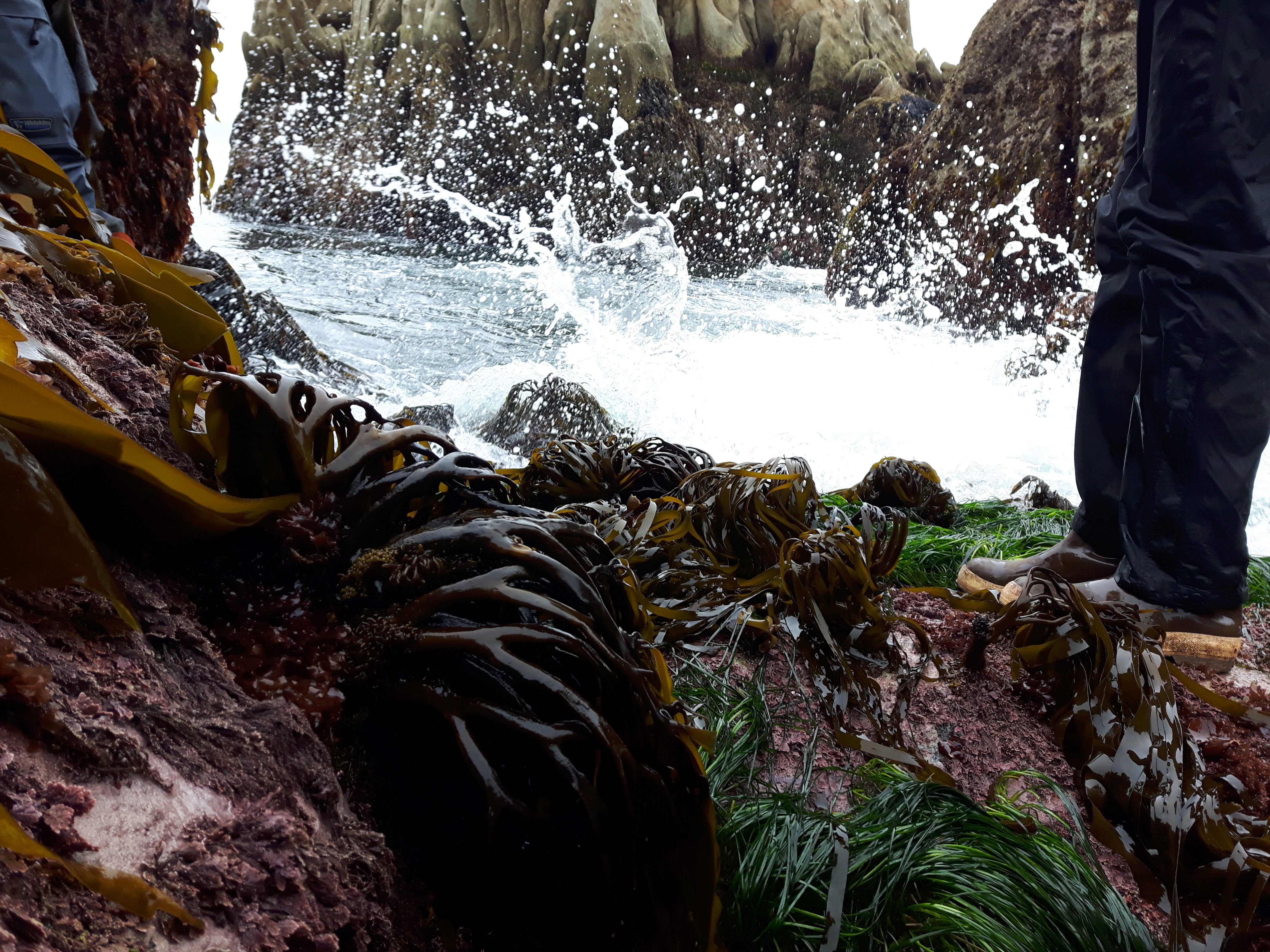
Nearshore ecosystems such as kelp forests support high biodiversity and valuable ecosystem services, yet they are declining rapidly worldwide. A key challenge in understanding their recovery lies in resolving processes occurring in cryptic early life stages, particularly the microscopic gametophyte stage that underpin kelp population dynamics. My research utilizes a molecular approach to quantify these cryptic stages in-situ, integrating environmental DNA, population genetics, and spatial analyses to link early life-stage dynamics with patterns of recruitment and recovery. By making these hidden processes measurable, this work provides new insight into the mechanisms driving kelp forest resilience and offers insights for improving monitoring and restoration in rapidly changing coastal ecosystems.
Beneath the sea ice: algae, population genetics, and climate change in Antarctica
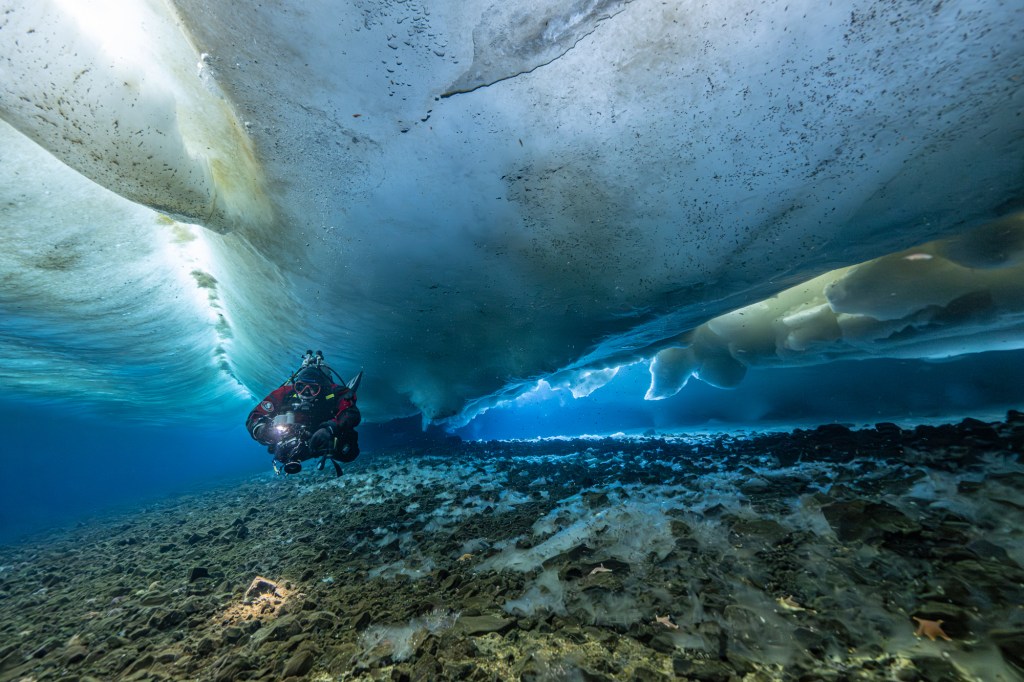
Studying the red alga Phyllophora antarctica, this project explores how climate change is reshaping life beneath Antarctic sea ice. By comparing present-day populations to studies from the 1990s, this research examines how shifting ice cover, light, and temperature influence algal abundance in McMurdo Sound. Through population genetic analysis of samples collected across multiple sites, the project also investigates how connected – or vulnerable – these algae populations are in a changing environment. The few species of algae that thrive in this polar ecosystem serve as an early indicator of ecological change in polar marine systems.
Biomechanical limitations to Bull Kelp buoyancy and pneumatocyst development
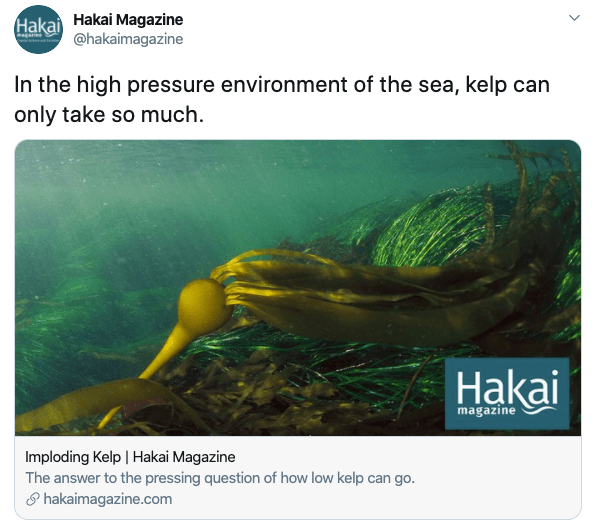
Maintaining buoyancy with gas-filled floats (pneumatocysts) is essential for some subtidal kelps to achieve an upright stature and compete for light used for photosynthesis. However, as these kelps grow up through the water column, pneumatocysts are exposed to substantial changes in hydrostatic pressure, which could cause complications as internal gases may expand or contract, potentially causing them to rupture, flood, and lose buoyancy. Our research investigates the consequences of mechanical stress imposed by hydrostatic pressure gradients on Bull Kelp pneumatocysts, demonstrating challenges to maintaining buoyancy, as well as highlighting developmental strategies employed by the kelp to resist breaking under pressure.
Pneumatocyst gas composition:
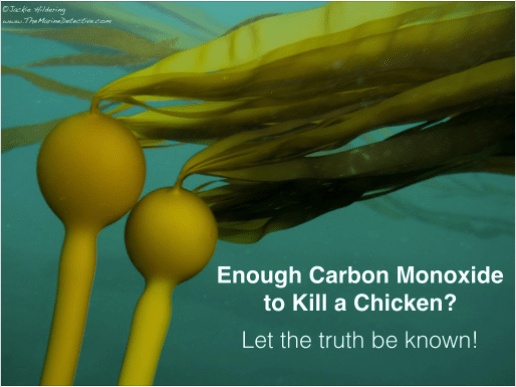
The ability of Bull Kelp pneumatocysts to inflate with gas underwater is peculiar, and the gas composition of pneumatocysts has been the topic of several studies over the last 100 years. It is unclear whether changes in pneumatocyst size and corresponding physiological processes influence internal gas composition and concentration. To address these questions, we use developmental time as a means to understand the origin and physiological mechanisms that give rise to different gases within Bull kelp pneumatocysts.
This project was conducted as a part of my M.Sc. thesis
Marine hitch-hikers
Assessing invasion risks of seaweeds found on Japanese marine tsunami debris:
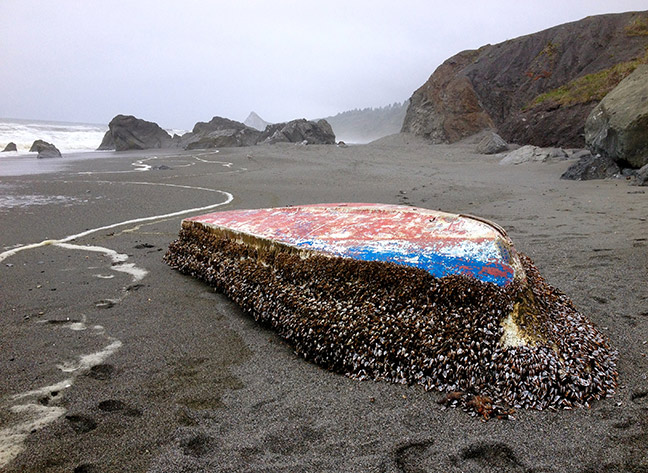
The Great East Japan Earthquake, with magnitude 9.1, struck on March 11, 2011, and created a massive tsunami that impacted more than 10,000 square kilometres of coastline, causing loss of human life, property destruction, and environmental damage. The tsunami washed millions of tons of material into the Pacific Ocean and, within a year, marine debris started arriving on the Pacific coast of North America and the Hawaiian Islands. The overall goal of the project was to assess and forecast the potential effects of floating debris, especially those related to non-indigenous species (NIS), on ecosystem structure and function, the coastlines, and communities along the Pacific coast of North America and the Hawaiian Islands, and to suggest research and management actions to mitigate any impacts.
This project was led by Dr. Thomas Therriault (DFO)
Case of the missing seaweed
Long-term monitoring of a culturally harvested alga (Pyropia abbottiae):
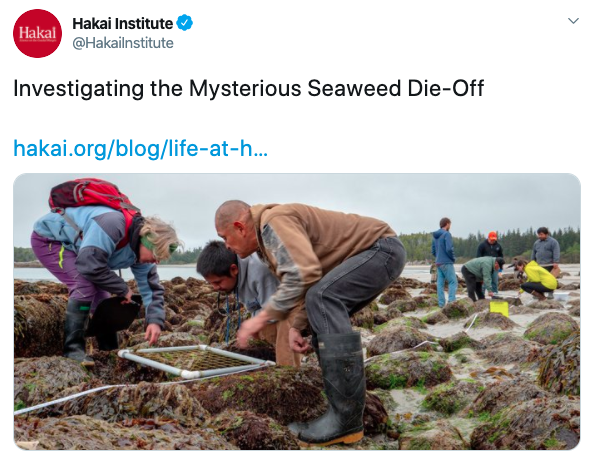
In Spring 2016, indigenous communities documented historically low Pyropia abundance and quality in culturally important intertidal foraging areas throughout coastal British Columbia (BC), Canada. This event caused concern among local communities, who questioned the fate of future seaweed harvests. In response, a monitoring project has been developed that focuses on 1) the cause of the seaweed decline, 2) whether future events can be predicted, and 3) if they are predictable, whether they can be prevented or mitigated. In 2017, we began to document inter-annual trends, seasonal dynamics, and drivers of the observed changes, including examination of key stressors (temperature, nutrients), and recruitment sources.
This project is led by Dr. Jennifer Clark (Hakai/UBC)
Urchin barrens vs kelp forests
Cryptic corallines and community dynamics:
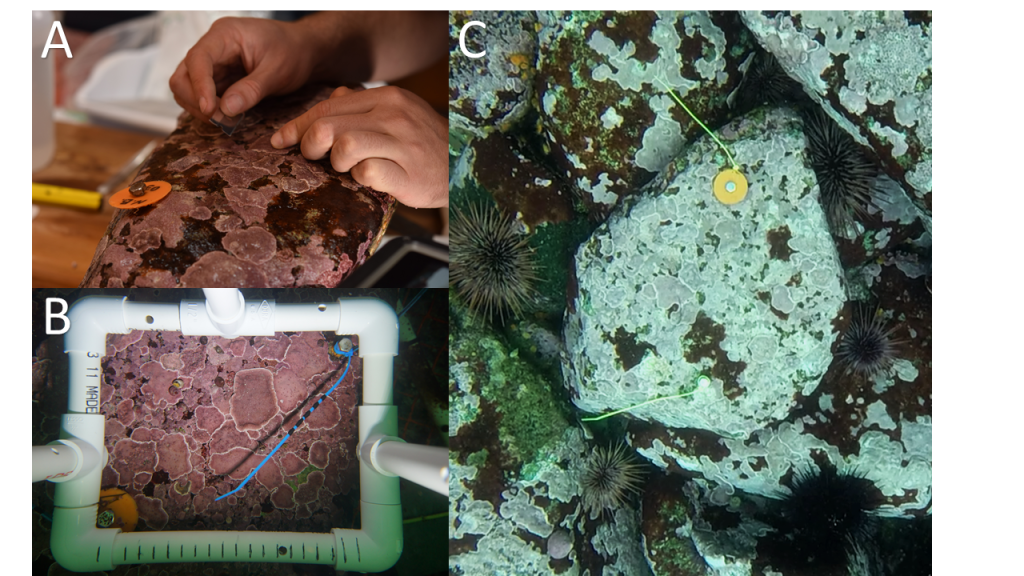
Coralline algae are a group of calcified red algae that form pink crusts across rock surfaces. These organisms provide ecosystem services in many nearshore marine environments by promoting settlement of many invertebrate larvae (e.g. abalone & urchins) and kelp species. Previous studies around Calvert Island, BC used DNA identification to quantify specifies diversity, discovering urchin barrens (devoid of kelp) to have lower coralline diversity than their kelp forest neighbours. Experiments are currently underway to examine the mechanisms of these differences in coralline communities and how these differences may affect the recovery from urchin barrens to healthy kelp forests.
This project is led by Dr. Brenton Twist
Integrating citizen science and marine conservation
Rockfish find refugia in Howe Sound’s glass sponge reefs:
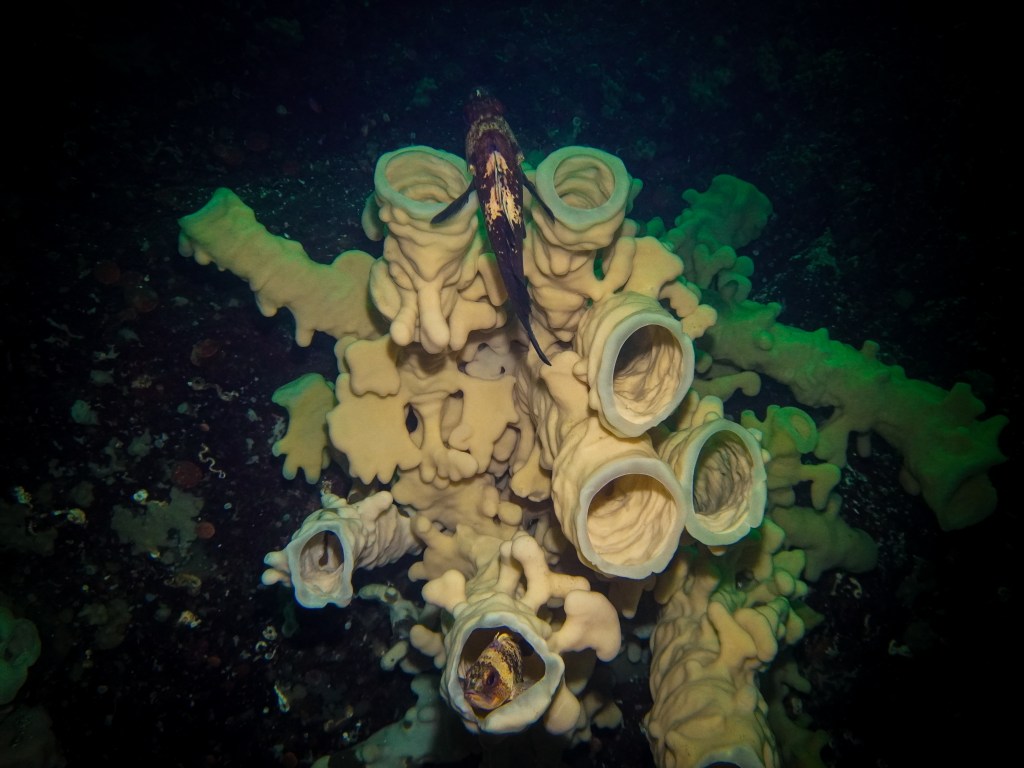
Howe Sound is an ecologically rich marine area that houses unique deep-sea glass sponge reefs. These reefs create habitat for many foraging fish, including rockfish – where populations have been declining in the sound since the 1960’s. A citizen science initiative led by the Underwater Council for British Columbia (UCBC) and the Marine Life Sanctuaries Society (MLSS) with support from local communities has advocated for more areas with in the sound to be identified as critical habitat. The UCBC has teamed up with, and trained local divers to conduct subtidal research on the glass sponge reefs. Specifically, with the goal to quantify rockfish population sizes. All data collected will go towards further research conducted by the Department of Fisheries and Oceans (DFO) as well as extending existing marine protected areas into the these deep-sea reefs.
This project is led by Glen Dennison (UCBC/MLSS)

